
How to Find Your Wheel Size: A Complete Beginner’s Guide (1)
Not sure what wheel size your vehicle has? Learn how to quickly identify your wheel size using your tire sidewall, door sticker, VIN, or wheel markings. This guide breaks down everything you need to know before buying new tires or upgrading your wheels.
How to Find Your Wheel Size
Your wheel size affects everything from tire fitment and ride quality to handling and appearance. Whether you’re buying new tires, upgrading wheels, or just trying to understand your vehicle better, knowing how to find your wheel size is essential.
What Does Wheel Size Mean?
Wheel size usually refers to three main measurements:
-
Diameter – The height of the wheel from one end to the other
-
Width – How wide the wheel is
-
Bolt Pattern – The number and spacing of lug holes
You may also hear about:
-
Offset
-
Center bore
-
Backspacing
But for most drivers, diameter and width are the most important starting points.
Method 1: Check the Tire Sidewall
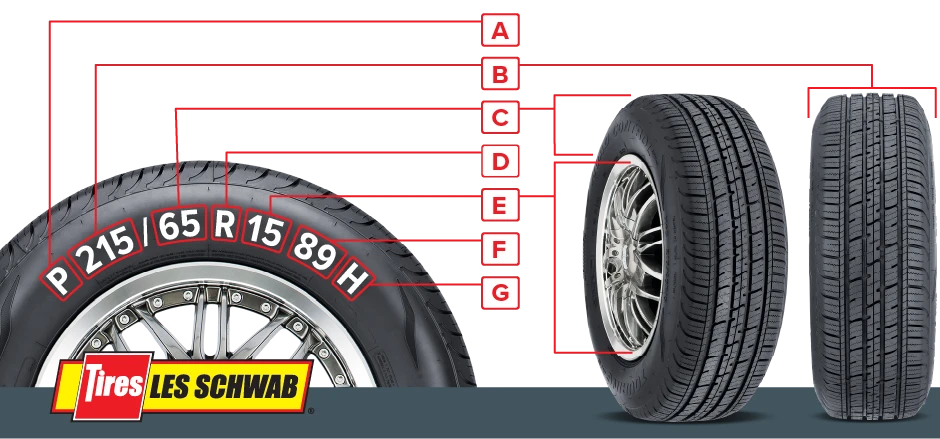
The easiest way to find your wheel size is by reading the tire itself.
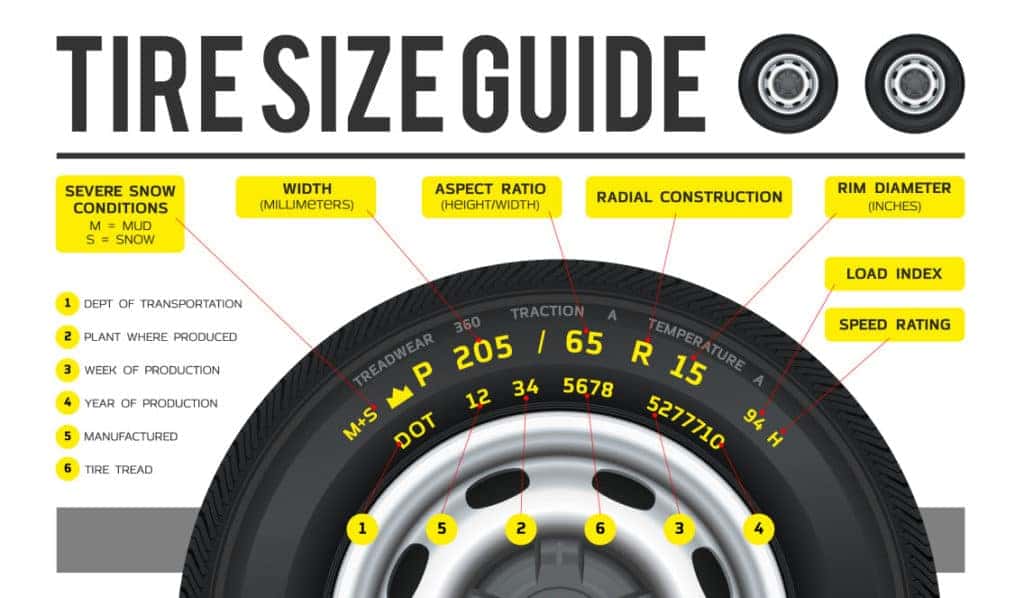
You’ll see a tire size that looks something like this:
225/45R17
The last number (17) is your wheel diameter in inches.
Breaking It Down
-
225 = Tire width in millimeters
-
45 = Aspect ratio
-
R = Radial tire
-
17 = Wheel diameter
So in this example, the vehicle uses 17-inch wheels.
Method 2: Look Inside the Driver Door Sticker
Most vehicles have a factory sticker located inside the driver-side door jamb. This sticker typically includes:
-
Recommended tire size
-
Wheel size
-
Tire pressure information
Example:
P225/45R17
17x7.5J
Here:
-
17= wheel diameter -
7.5= wheel width in inches
Method 3: Inspect the Back of the Wheel
If the wheels are aftermarket or you want exact specs, remove the wheel and inspect the back side.
Most wheels have stamped markings such as:
17x8.5
5x114.3
+35
This means:
-
17 = diameter
-
8.5 = width
-
5x114.3 = bolt pattern
-
+35 = offset
Method 4: Use Your VIN or Vehicle Information
You can also look up factory wheel sizes using:
-
Your VIN number
-
Year, make, and model
-
Trim level
Many vehicles come with multiple wheel size options depending on the trim package.
For example:
-
Base trim may have 17-inch wheels
-
Sport trim may have 19-inch wheels
How to Measure Wheel Size Manually
If markings are missing, you can measure the wheel yourself.
Measuring Diameter
Measure from bead seat to bead seat — not edge to edge.
Measuring Width
Measure the inside width where the tire sits.
Keep in mind:
-
Overall wheel dimensions are usually slightly larger than the listed size.
Common Wheel Sizes
Here are some common passenger vehicle wheel sizes:
| Vehicle Type | Common Sizes |
|---|---|
| Compact Cars | 15" – 17" |
| Sedans | 17" – 19" |
| SUVs | 18" – 22" |
| Trucks | 17" – 24" |
Why Wheel Size Matters
Choosing the wrong wheel size can cause:
-
Tire rubbing
-
Incorrect speedometer readings
-
Poor handling
-
Suspension issues
-
Brake clearance problems
That’s why it’s important to verify wheel specs before purchasing tires or aftermarket wheels.
Upgrading Wheel Size
Many drivers choose to “plus size” their wheels for a more aggressive look or improved handling.
Example:
-
Factory setup: 17-inch wheels
-
Upgrade: 19-inch wheels with lower-profile tires
Benefits may include:
-
Sharper handling
-
Better appearance
-
Increased road feel
Potential downsides:
-
Rougher ride
-
Higher tire costs
-
Increased risk of wheel damage from potholes
Need Help Finding the Right Wheel Size?
At X Tires & Auto Service, we help customers:
-
Identify wheel and tire sizes
-
Find compatible fitments
-
Upgrade to aftermarket wheels
-
Install and balance new tires
If you’re unsure what fits your vehicle, our team can help you find the perfect setup.