Wheel Alignment: The Hidden Key to a Smoother, Safer Ride
If your steering wheel feels off-center, your car pulls to one side, or your tires are wearing unevenly, there’s a good chance your vehicle needs a wheel alignment.
Many drivers think wheel alignment is just a “tire thing,” but it actually affects your safety, fuel economy, driving comfort, and how long your tires last. Ignoring alignment problems can turn a small issue into expensive tire replacement and suspension repairs.
What Is a Wheel Alignment?
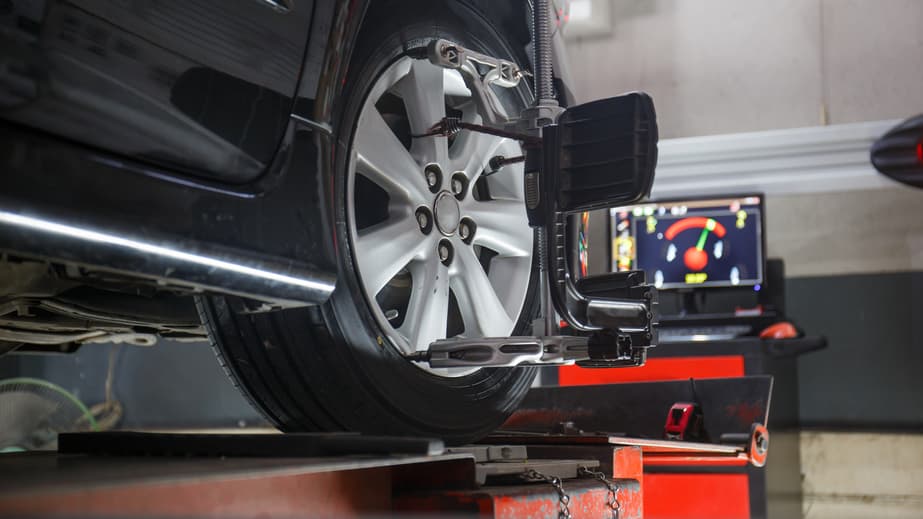
A wheel alignment adjusts your vehicle’s suspension angles so your tires make proper contact with the road.
Contrary to popular belief, technicians are not adjusting the tires themselves — they’re adjusting the angles of the wheels and suspension components to match manufacturer specifications.
When everything is aligned correctly, your vehicle:
- Drives straight
- Handles better
- Experiences less tire wear
- Provides a smoother ride
- Improves fuel efficiency
Signs Your Vehicle Needs an Alignment
Here are the most common warning signs:
Your Car Pulls Left or Right
If you briefly let go of the steering wheel on a flat road and the vehicle drifts, alignment may be off.
Uneven Tire Wear
One side of the tire wearing faster than the other is a major indicator of poor alignment.
Crooked Steering Wheel
If the steering wheel isn’t centered while driving straight, your alignment likely needs adjustment.
Steering Feels Loose or Unstable
Poor alignment can make your vehicle feel less responsive and harder to control.
Squealing Tires
Misaligned tires can create excess friction with the road surface.
What Causes Alignment Problems?
Wheel alignment issues happen more often than most people realize.
- Hitting potholes
- Driving over curbs
- Rough road conditions
- Minor accidents
- Worn suspension parts
- Installing new suspension components
Even one hard impact can knock your alignment out of specification.
The 3 Main Alignment Angles
Modern alignments involve precise measurements of several suspension angles.
Camber
Camber is the inward or outward tilt of the wheel when viewed from the front.
- Negative camber: top of tire leans inward
- Positive camber: top of tire leans outward
Too much camber causes uneven tire wear.
Toe
Toe describes whether the tires point inward or outward when viewed from above.
- Toe-in: fronts of tires point toward each other
- Toe-out: fronts of tires point away
Incorrect toe settings are one of the biggest causes of rapid tire wear.
Caster
Caster affects steering stability and cornering. Positive caster helps the steering wheel return to center after turns and improves highway stability.
How Often Should You Get an Alignment?
A good rule of thumb is to get your alignment checked:
- Every 6,000–10,000 miles
- After installing new tires
- After suspension work
- After hitting a large pothole or curb
- Anytime you notice symptoms
Many shops also recommend checking alignment annually as preventative maintenance.
Why Alignment Matters
Longer Tire Life
Misalignment can destroy tires thousands of miles earlier than expected.
Better Fuel Economy
Misaligned wheels create rolling resistance, forcing your engine to work harder.
Improved Safety
Proper alignment helps maintain predictable steering and braking performance.
Better Driving Comfort
A properly aligned vehicle feels smoother, straighter, and more stable.
Wheel Alignment vs Tire Balancing
These services are often confused, but they are completely different.
| Wheel Alignment | Tire Balancing |
|---|---|
| Adjusts wheel angles | Balances tire weight |
| Fixes pulling or drifting | Fixes vibration |
| Protects tire wear | Improves smoothness |
| Involves suspension adjustments | Involves wheel weights |
Can You Drive With Bad Alignment?
Technically yes — but it’s not recommended.
Driving too long with bad alignment can lead to:
- Premature tire replacement
- Reduced fuel efficiency
- Suspension wear
- Poor handling
- Unsafe driving conditions
A simple alignment service today can prevent much more expensive repairs later.
Final Thoughts
Wheel alignment is one of the most overlooked maintenance services, yet it has a major impact on your vehicle’s performance, safety, and tire lifespan.
If your car feels off, pulls to one side, or your tires are wearing unevenly, it’s worth having your alignment checked by a professional technician.
Keeping your wheels properly aligned means:
- Better handling
- Smoother driving
- Longer-lasting tires
- Safer performance on the road
Your tires are the only part of your vehicle touching the road — keeping them aligned properly matters more than most drivers realize.